Source private label women’s leather wallets from a B2B manufacturer. Review materials, structural dimensions, market data, and assembly processes for wholesale production.
What Are Private Label Women’s Leather Wallets?
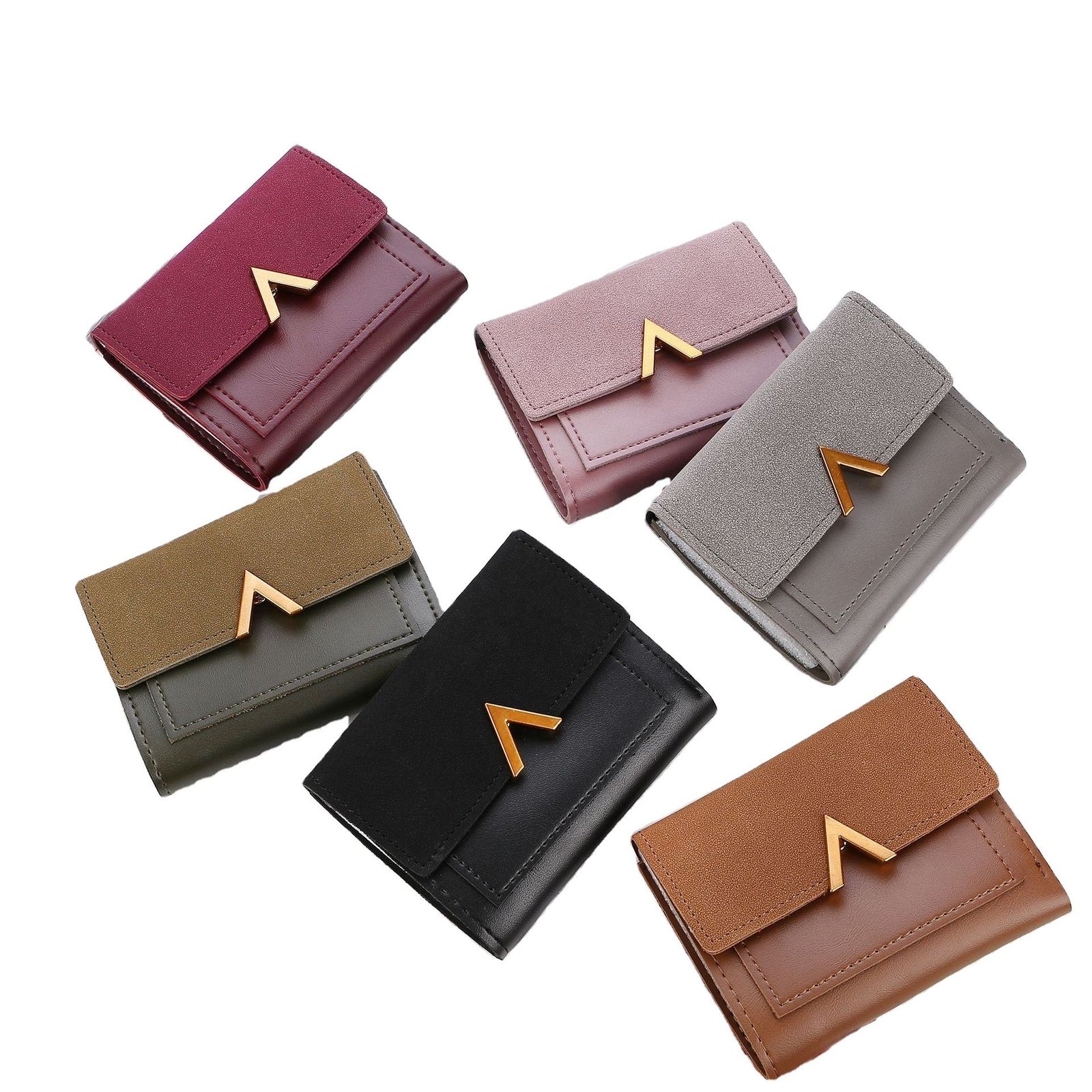
Private label women’s leather wallets are custom-manufactured accessories produced by a third-party factory and sold under a retailer’s specific brand name, featuring specific hardware, lining, and material configurations.
What Is The Market Data For Women’s Leather Wallets?
The global women’s leather wallet market is projected to reach $5.4 billion by 2028, growing at a compound annual growth rate (CAGR) of 6.2%. Market data indicates a 40% increase in consumer demand for sustainably sourced materials. Retailers utilizing an OEM Wholesale Leather Wallet Manufacturer capture higher profit margins by eliminating intermediary markup. A 2022 survey by the Leather Goods Retailers Association showed that 78% of female consumers prioritize RFID-blocking technology and high-capacity card storage in their purchasing decisions.
What Materials Are Used In Women’s Leather Wallet Manufacturing?
Factories use full-grain hides, top-grain leathers, and specialized hardware to manufacture women’s wallets, if the brand requires retail-grade quality. Premium leathers, such as full-grain cowhide and top-grain calfskin, provide a tensile strength exceeding 15 megapascals. Factories source materials from LWG-certified tanneries.
- These tanneries process hides using chromium salts or vegetable tannins.
- Specialized hardware components, including YKK brass zippers and magnetic snap closures, secure the wallet compartments.
How Do Full-Grain And Top-Grain Leathers Compare For Women’s Wallets?
Full-grain leather provides maximum durability and develops a natural patina, whereas top-grain leather offers a uniform finish and high stain resistance.
- Full-Grain Leather: Retains the complete epidermal layer. The thickness measures between 1.2 to 1.5 millimeters. It resists tearing at a force of 200 Newtons.
- Top-Grain Leather: Removes the outermost epidermal layer. The surface undergoes sanding and pigmentation. It provides color consistency for large production batches.Brands looking for comprehensive material guidelines can review our Genuine & Full-Grain Leather Sourcing capabilities.
What Are The Common Structural Dimensions For Women’s Wallets?
The common structural dimensions for women’s wallets range from 11.0 centimeters to 20.0 centimeters in length, depending on the specific model.
| Wallet Style | Length (cm) | Width (cm) | Thickness (cm) | Capacity (Cards) |
| Continental Zip-Around | 19.5 | 10.5 | 2.5 | 12 |
| Envelope Clutch | 20.0 | 11.0 | 1.5 | 8 |
| Compact Bifold | 11.0 | 9.0 | 2.0 | 6 |
How Do Factories Assemble Continental Leather Wallets?
Factories assemble continental leather wallets using a precise sequence of skiving, stitching, and hardware integration.
- Cut the primary leather panels using steel-rule dies.
- Skive the panel edges to a thickness of 0.4 millimeters to reduce material bulk.
- Apply edge paint to the exposed leather fibers using heated rollers.
- Sew the internal card slots using size 69 bonded nylon thread at 8 stitches per inch.
- Attach the YKK zipper tape to the exterior gussets.
- Stitch the interior and exterior panels together using heavy-duty cylinder arm sewing machines.
Why Do Modern Leather Wallets Require RFID Blocking?
Modern leather wallets require RFID blocking to prevent unauthorized scanning of contactless credit cards operating at 13.56 MHz. A 2020 study published by the Institute of Electrical and Electronics Engineers (IEEE) demonstrated that unshielded contactless cards are vulnerable to data extraction from distances up to 100 centimeters. Manufacturers insert electromagnetic shielding fabrics between the exterior leather and the interior lining.
- These fabrics consist of woven copper and nickel filaments.
- The shielding attenuates radio frequency signals by 60 decibels.
- The material maintains a thickness of 0.1 millimeters to preserve the wallet’s structural profile.
What Are The Quality Control Standards For Bulk Wallet Production?
Quality control standards for bulk wallet production include tensile strength testing, zipper cyclic testing, and colorfastness evaluation. Manufacturers test YKK zippers for 10,000 open-and-close cycles to ensure hardware longevity. Leather panels undergo spectrophotometer analysis to maintain exact Pantone color matching across production runs of over 5,000 units.
How Does This Connect To Wholesale Leather Manufacturing?
Sourcing women’s wallets connects to broader inventory scaling when retailers partner with a primary Leather Wallet Manufacturer. Retailers expand their catalogs by sourcing multiple accessories. Accessory categories, such as Wholesale Custom Men’s Leather Wallets and items from Premium Private Label Women’s Leather Bag Manufacturers, share similar supply chain logistics. Furthermore, brand owners often pair continental wallets with Private Label Large Leather Tote Bags to create high-ticket matching retail collections.
What Are People Also Asking About Women’s Wallet Manufacturing?
What is the standard production time for bulk leather wallets?
The standard production time for bulk leather wallets is 21 to 30 days following prototype approval.
How do manufacturers apply logos to private label wallets?
Manufacturers apply logos to private label wallets using brass heat debossing dies and foil stamping machines.
What is the typical minimum order quantity for custom wallets?
The typical minimum order quantity for custom wallets is 100 units per designated colorway.
How do hardware choices affect custom wallet manufacturing?
Hardware choices affect custom wallet manufacturing by determining the structural lifespan, security, and retail price point of the finished accessory.